Foundations That Hold When the Ground Shifts
Concrete and foundation services in Eastsound for slabs, structural repairs, and load-bearing reinforcement
Many properties on Orcas Island were built during an era when foundation standards were considerably more permissive than current codes require, and the island's mix of older single-family homes, rural outbuildings, and waterfront structures reflects that history. Salinas Roofing & Construction works with property owners in Eastsound on concrete and foundation services that account for the specific construction conditions these buildings present. Whether a slab has developed surface cracking, a foundation wall is showing deflection, or a new pour is needed for an addition, the work starts with an honest assessment of what the structure actually requires.
Foundation work on island properties often involves access and sequencing decisions that mainland contractors don't encounter. Older homes with crawl spaces built on continuous perimeter footings may require different reinforcement approaches than post-and-pier structures, which appear frequently in rural Orcas Island construction. Salinas Roofing & Construction evaluates the existing bearing conditions before recommending whether a repair involves epoxy injection, carbon fiber strapping, concrete underpinning, or full slab replacement, so the scope of work matches the actual problem rather than a default method.
Arrange an on-site evaluation to review your foundation or slab condition before small cracks develop into structural concerns.
How Foundation and Concrete Work Is Done Correctly
Concrete work that holds over time depends on preparation decisions made before the first yard of material is poured. That means verifying sub-base compaction, confirming reinforcement placement and cover depth, and establishing proper control joint spacing so that any future cracking follows predictable, manageable lines rather than running through structural zones. For repair work, the process involves removing deteriorated material back to sound concrete, treating exposed rebar if corrosion is present, and bonding the new section with appropriate admixtures that create a mechanical connection rather than just a surface patch.
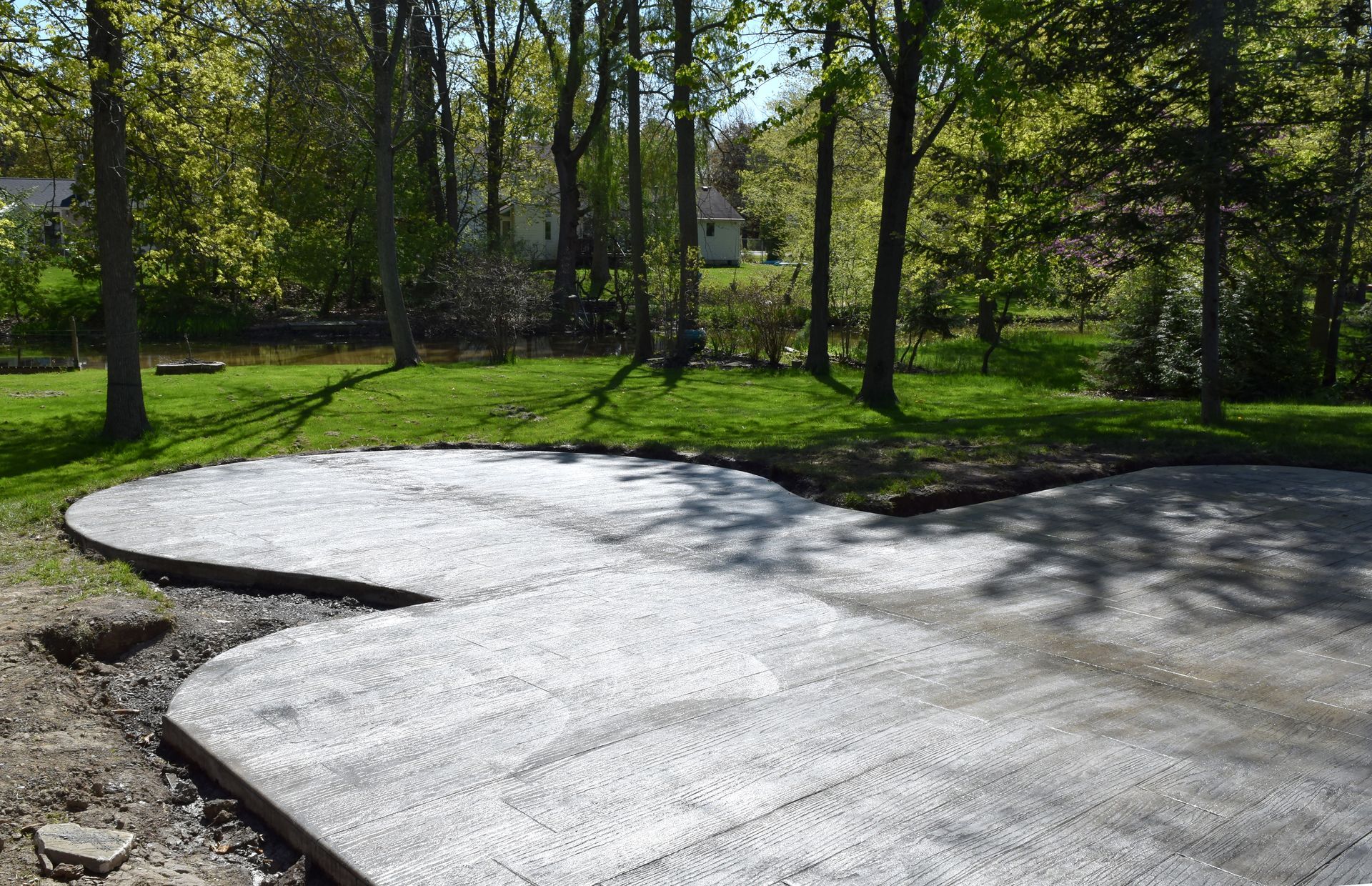
Once poured and cured, a properly finished slab or repaired footing will show consistent surface texture, no hollow spots under tap testing, and edges that align with the surrounding structure without visible gaps or step-offs. Foundation repairs completed with structural reinforcement should eliminate visible wall movement and allow doors and windows in adjacent framing to operate correctly again, which is one of the clearest indicators that the underlying bearing issue has been addressed.
Projects on Orcas Island that involve new concrete pours or structural reinforcement may require permits through San Juan County, and Salinas Roofing & Construction factors permit requirements into the project sequence so inspections are scheduled at the correct stages rather than treated as afterthoughts. Work scope also depends on whether the structure is occupied during the project, since crawl space access and equipment staging differ significantly between occupied and vacant properties.
Common Questions About Foundation and Concrete Work
Property owners in Eastsound frequently ask about the difference between cosmetic concrete issues and structural ones, and what the repair process actually involves at each stage.
What causes concrete slabs to crack after they are poured?
Slabs crack when the sub-base wasn't adequately compacted before the pour, when control joints are spaced too far apart, or when the concrete mix cured too quickly without proper finishing and coverage. You'll typically see these cracks running diagonally from corners or following lines parallel to the long axis of the slab.
How is a deteriorated foundation wall repaired without replacing it entirely?
Walls showing inward deflection or horizontal cracking are often stabilized using carbon fiber strapping anchored to the footing and the rim joist above, which resists further movement without requiring excavation. Your contractor should assess whether the movement is active or historical before selecting a method.
What should you look for to tell whether a foundation crack is structural or cosmetic?
Cracks wider than a quarter-inch, cracks with vertical displacement where one side sits higher than the other, or cracks that have grown since they were first noticed all indicate structural involvement. Hairline cracks that run uniformly and show no displacement are typically shrinkage cracks from the original cure.
Why does the reinforcement bar placement matter so much in a concrete pour?
Rebar positioned too close to the surface rusts and expands, which spalls the concrete above it. Rebar placed too deep provides insufficient tensile resistance in the tension zone of the slab. In Eastsound properties where slabs have been poured over decades of varying local practice, checking existing rebar depth is a standard diagnostic step before any overlay or repair.
How do you prepare a surface before patching concrete so the repair bonds properly?
The deteriorated material is saw-cut or chiseled back to create a clean, vertical edge with sound concrete on all sides, then the area is cleaned and treated with a bonding agent before the repair material is placed. Feathered edges without a definite depth boundary almost always debond within a short period.
Salinas Roofing & Construction provides on-site concrete and foundation evaluations for Eastsound property owners who need a clear picture of what their structure requires before committing to a repair approach. Submit a project inquiry to schedule an assessment of your specific slab, footing, or foundation wall condition.